

Watercolor for the absolute beginner can be very daunting – especially when it comes to supplies. There seem to be a million options and even more variations of things to buy. But when it comes down to it – there are really nine watercolor supplies you absolutely have to own.
And they include…
The Beginner’s Supply List

#01 – Watercolor Paper:
Paper is crucial when learning watercolor. If your paper is made of poor quality – chances are your paintings won’t look great. The best type of paper you can purchase is watercolor paper that is 100% cotton. Believe it or not – this is the key to creating beautiful looking paintings – since the cotton absorbs the paint evenly and thoroughly, like a sponge.
Personally, I like Soft Press and Hot Press paper over Cold Press paper. But the texture of your paper is totally up to you.
Here Are Some Suggestions I Love:
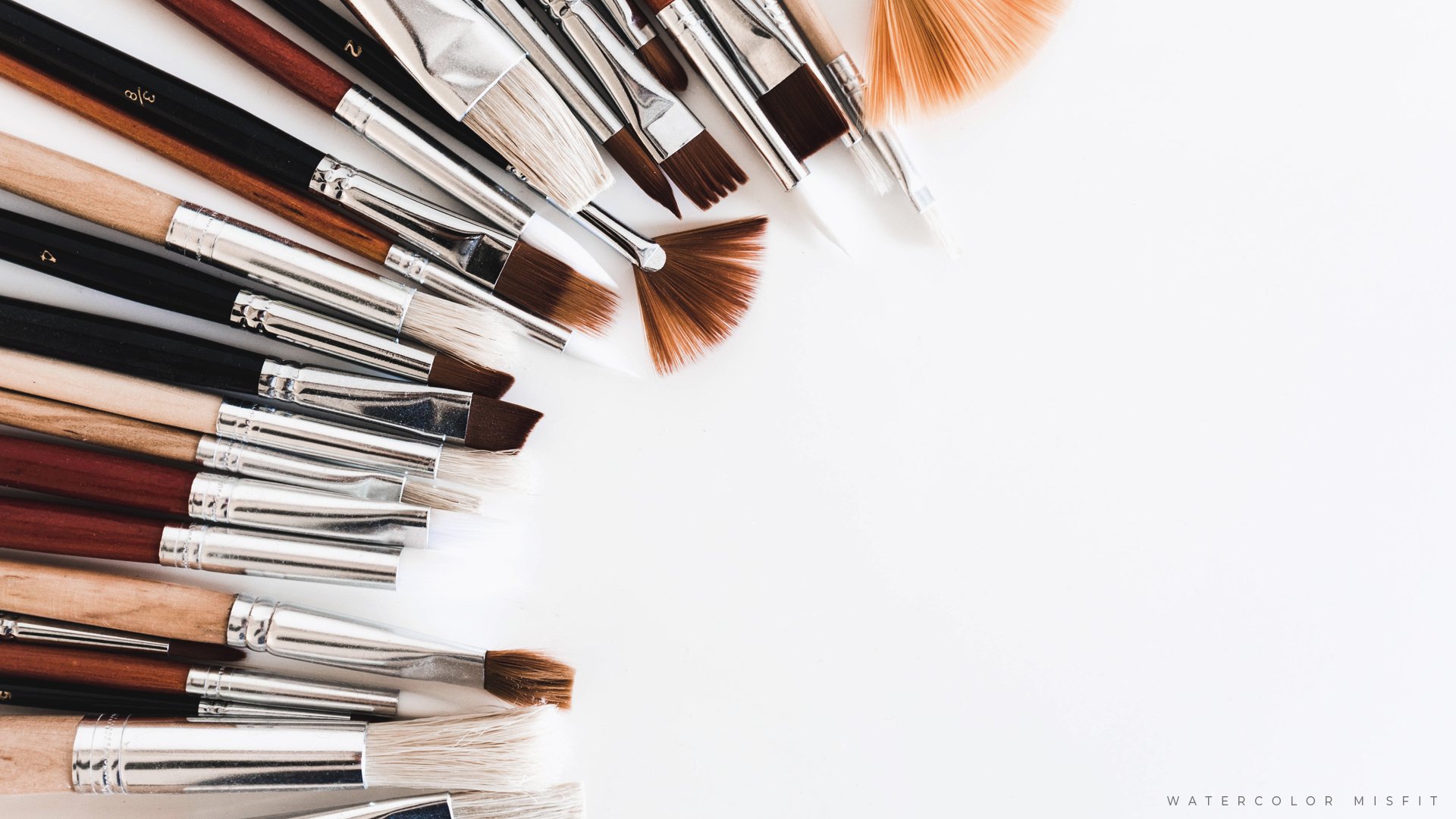
#02 – Brushes:
Brushes are another watercolor supply that can be super intimidating. There are hundreds of different types, kinds, and brands of brushes available to you. But if you are an absolute newb to this art form – I recommend starting with just two. First, get a good set of round brushes – you will be using these for nearly everything you paint. Second, make sure to pick up a nice flat brush that is about 1-inch in size. These are great for painting smooth flat washes or laying down lots of color for backgrounds.
Here Are Some Suggestions I Love:

#03 – Palette:
Palettes are the next big supply on our list. We are going to need a way to store our paints. I personally love to use a porcelain palette – since they allow your paints to pool beautifully and keep your paints wetting for longer. But these can be quite pricey – so if you can’t afford it just pick up a handy foldable travel palette.
Here Are Some Suggestions I Love:
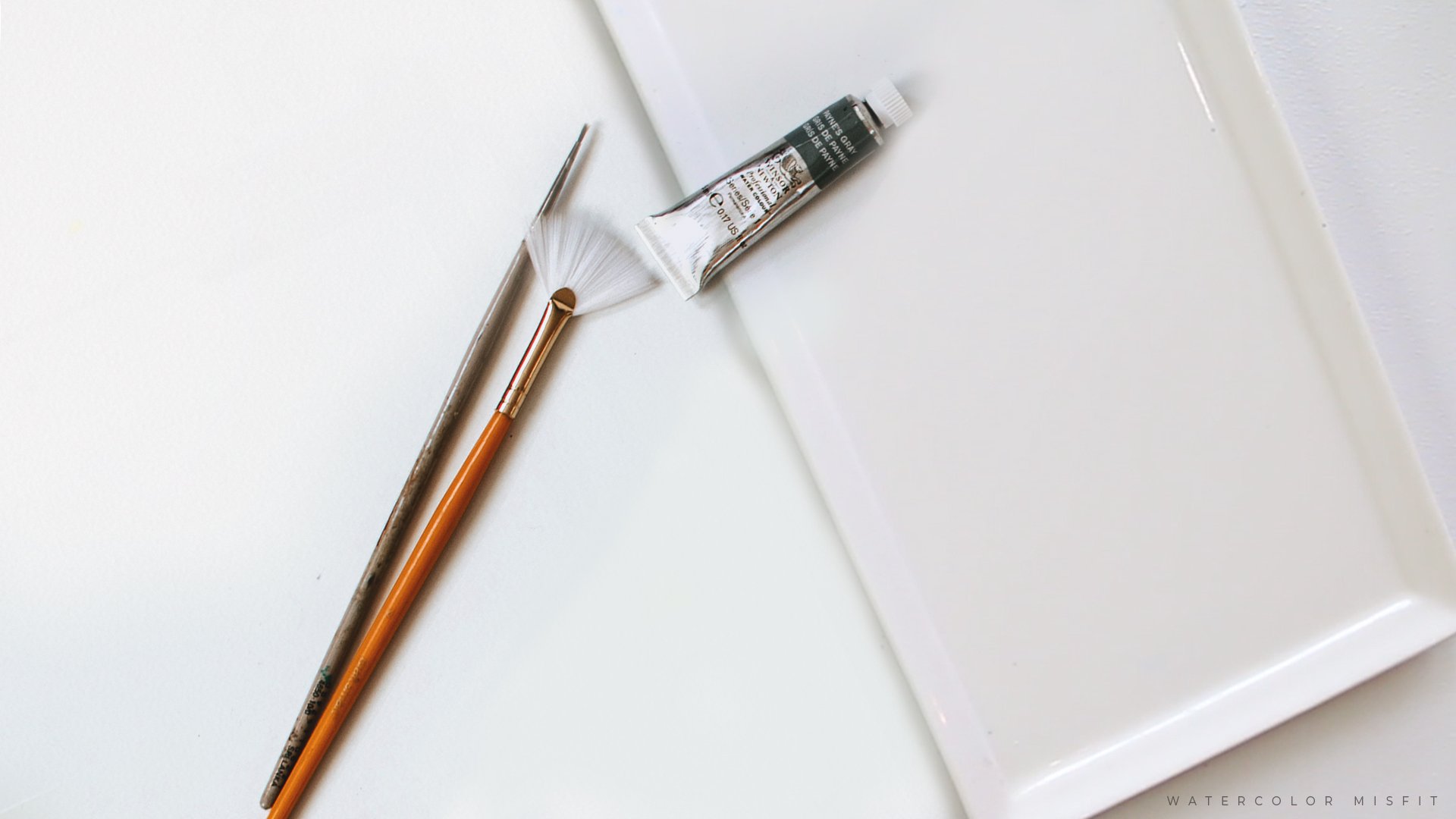
#04 – Mixing Tray:
The next supply you might find surprising is what I refer to as a mixing tray. Since I consider myself a Mixed Media Watercolorist or Modern Watercolorist – I like to use inks and other supplies that I don’t want to contaminate my palette. Instead, I mix all my mixed media art supplies on a small white porcelain plate. You can pick these up at thrift stores or kitchen supply stores. They don’t have to be fancy – just white with a smooth surface.
#05 – Wooden Board:
Next, you are going to need something to stretch your paper on – or basically tape it down flat while you paint. I personally like to use birch wood sheets from my local hardware store and cut them down into small sections for use. But you can also purchase a small art tote board and do practically the same thing.
Here Are Some Suggestions I Love:
#06 – Masking Tape:
Yep, you will definitely need masking tape! Especially if you plan on painting large or watery backgrounds.
Here Are Some Suggestions I Love:
#07 – Pencils:
I have to admit – for years I’ve used my basic #2 mechanical pencils from school – you know those cheap ones you can get just about anywhere. But for those of you wanting to level up your sketch skills – I recommend the Pentel GraphGear 500 Automatic Drafting Pencil Black (PG525A). It’s a mouthful – but I love it. It has a really hard lead and a small tip – making it easy to create fine, intricate, and light lines – which is great for allowing your watercolors to shine through.
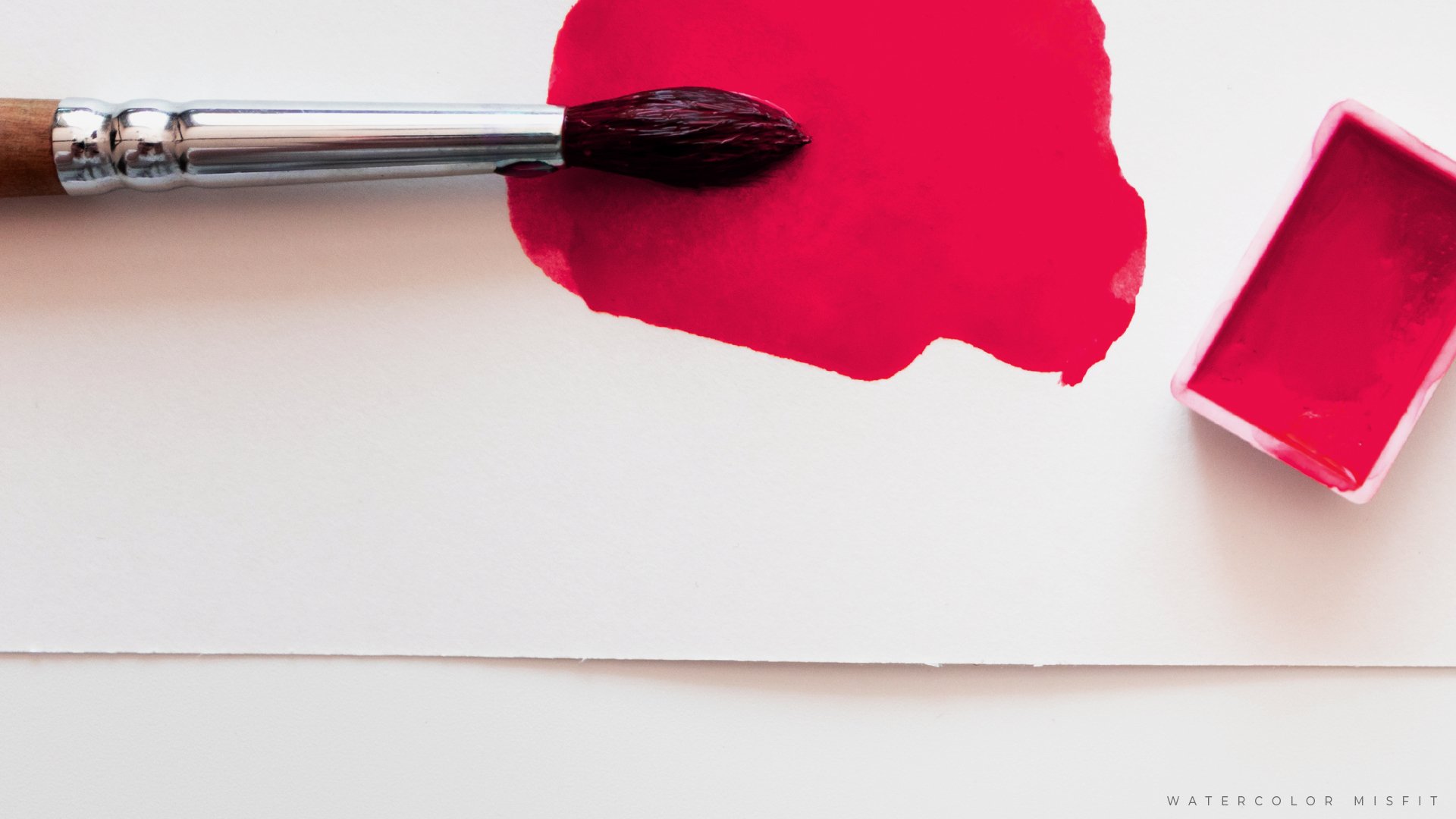
#08 – Paint:
Watercolor paint of course is a must – but where to start? Well, it’s really based on personal preference – some people like pan paints, others watercolor concentrates, and others like tube paints. Personally, I prefer using tube paints mixed with watercolor concentrates – but if you are an absolute newb I recommend starting with tube paints. In my opinion it’s the easiest to start with and break down into water-to-paint ratios (or values of your paints). As for colors – I recommend sticking with the primaries – magenta, yellow, and blue – and then adding on your secondary colors – orange, green, and pinkish/purple.
Here Are Some Suggestions to Start With:
- Permanent Rose
- Lemon Yellow
- Manganese
- Winsor Blue (Green Shade)
- Winsor Orange (Red Shade)
- Phthalo Green (Blue Shade)
- Q. Magenta
#09 – Water:
And finally you will need water. I recommend using two containers – one for dirty water to wash your brushes out with and one for clean water to apply to your paint and the page.
And That’s It!
I hope you enjoyed this post and it helps give you a jumping off point to start painting.
